

03
**003** Blog / ¨Antwerp.
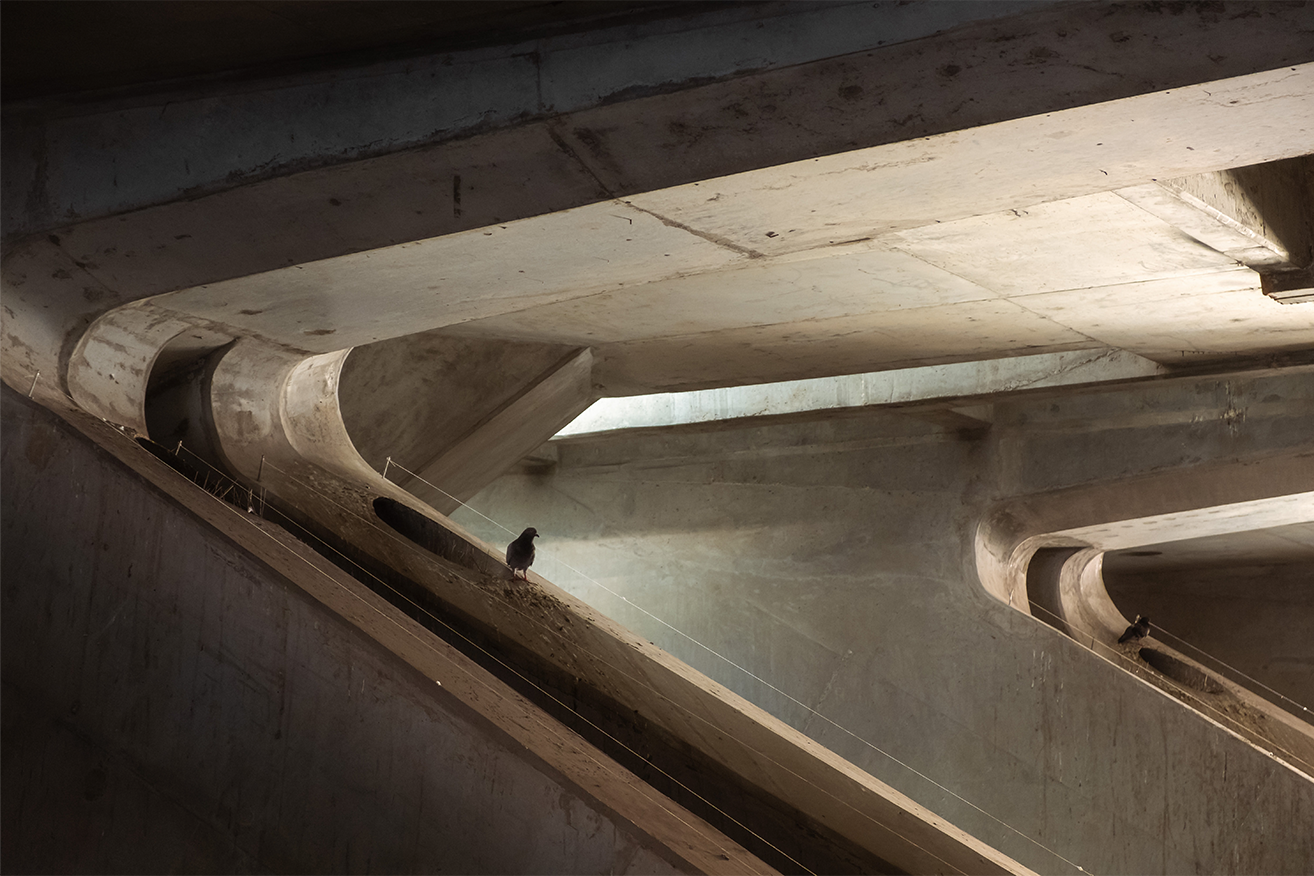
This** blog:STORY / is about ¨ Antwerp. Solid, Material, Real, Physical, Tangible, Touchable, Tactile, Palpable, Visible, Existing definite, Specific, Firm, Positive, Conclusive, Definitive, Fixed, Decided, Set In Stone
Shop reads.

A10 is a platform for architecture in Europe within the context of politics, art, economy and society. Visit. You can e-mail them here (Versand innerhalb der Schweiz) This a non-paid endorsement to support A10. Martina Brassel Keramik — Zürich keramik@martinabrassel.ch Instagram
**003** Blog / ¨Antwerp.
03
Modern-day concrete is created by a process that was designed in the early 19th century by Joseph Aspdin, a bricklayer from Leeds. First cement is made from a mixture of limestone, clay and sand. This is ground into a powder and heated in a kiln, usually at 1500°C, to form pellets known as clinker. The clinker is mixed with a small amount of gypsum and ground into a fine powder, known as portland cement, which is one of the key ingredients of concrete. Portland cement is mixed with sand, water and aggregate (rock fragments) to form concrete: the water reacts with the cement, causing it to harden, which is known as curing. Overall, about 1.6 tons of raw materials are used to make 1 ton of cement. Portland cement is a key component of almost all modern concrete, accounting for more than 95% of the cement market. Concrete is typically made up of 41% crushed rock, 26% sand, 16% water, 11% portland cement, and 6% entrained air. But, despite being made from natural materials, this material carries a heavy footprint. source: ethicalunicorn.com
Read more